
Build an approval‑ready credit profile
Understand what’s driving your credit decisions, identify items that may be unfair or inaccurate, and take a structured next step toward stronger approvals and better terms.
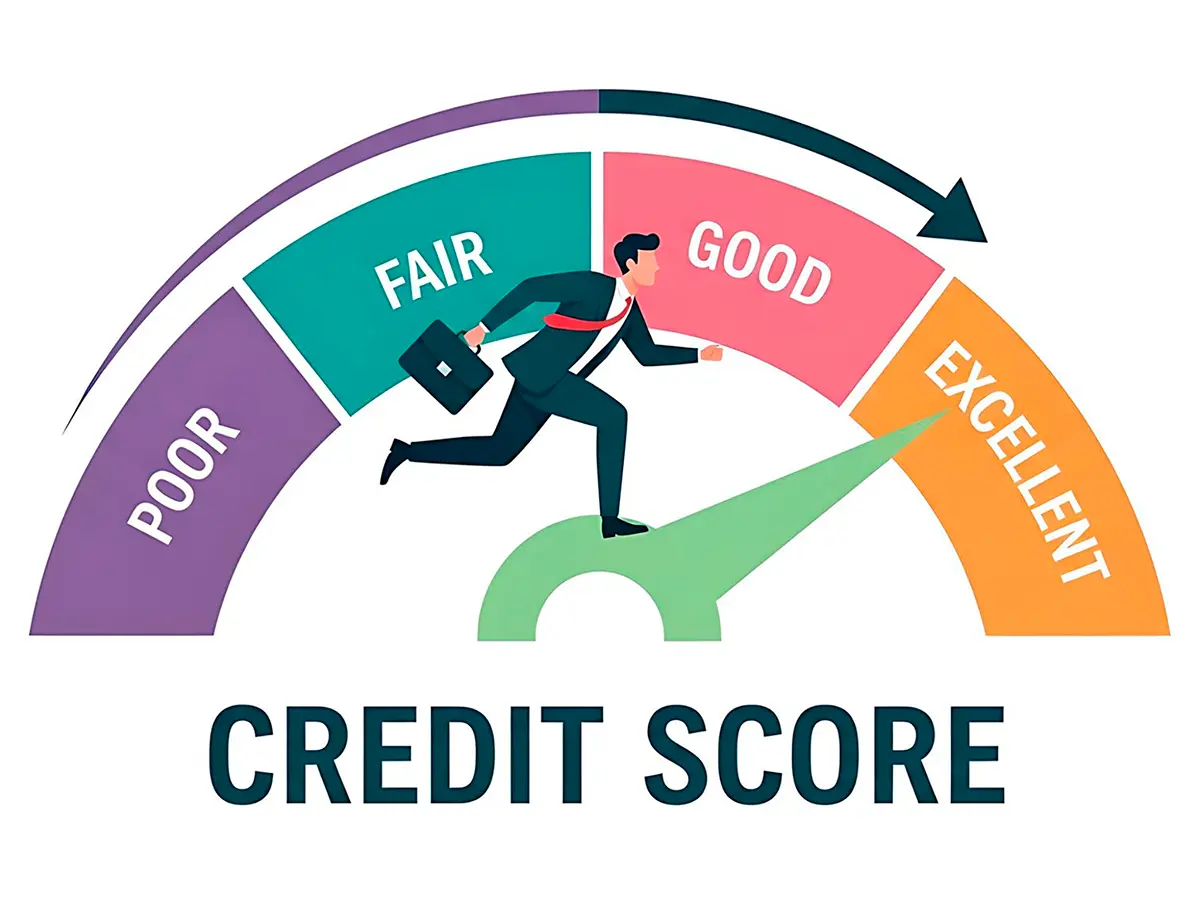
Built around established U.S. credit reporting practices and dispute procedures under the Fair Credit Reporting Act (FCRA). No unrealistic promises—just clarity, documentation, and structured credit improvement.
Unlock more options
Choose the outcome you care about. We’ll outline what improves it—and what to watch for—so you can move forward with confidence.
Your path to stronger credit
A stronger credit profile can mean better approval odds, improved loan terms, and more financial flexibility. Get a clear, no-fluff overview of what credit improvement can help you achieve — then take the next step when you're ready.
Credit decisions in the U.S. are typically influenced by payment history, utilization ratios, account age, recent inquiries, and the accuracy of reporting across major credit bureaus.
Even small inconsistencies can affect lending algorithms. A structured credit improvement approach focuses on verified data, responsible usage patterns, and consistent financial behavior.
*Results vary. This page does not guarantee outcomes.
How it works
A straightforward workflow used by reputable credit‑support programs: review, challenge what’s questionable, and build stronger habits while updates are processed.

Review your starting point
Clarify your goal and look at what’s currently affecting approvals and terms.

Identify what can be challenged
See what information is typically needed, what to expect next, and how the workflow usually looks.

Move forward
Continue to explore available options and take the next step toward better credit outcomes.
credit repair solutions that actually stick
As a returning tinkerer with my reports and scores, I've cycled through apps, letter kits, and one boutique firm. What survived a full year of testing is simple: targeted actions, clean documentation, and side-by-side comparisons so time and money go where they matter most.
Speed versus staying power
Efficiency is not the loudest dispute; it's the smallest effort that reduces risk for the longest time. I learned to fix causes before symptoms and to automate the boring parts. The gains held, and the workload shrank month over month.
- Triage first: Freeze secondary bureaus, lock reports when possible, and stop new inquiries you don't need.
- Protect the present: Autopay minimums on every revolving line; missed payments undo months of work.
- High-impact ranking: Utilization and payment history beat tiny address mismatches every time.
- Batch work: Dispute like-items together and track by date; avoid shotgun letters that confuse your own timeline.
- Report timing: Pay cards down before statement cuts; the same dollars have more effect shown at the right time.
Options, compared from my second lap
- DIY letters and portals: Lowest cost, medium time. Best for obvious inaccuracies, duplicates, mixed files, and early exclusions. Efficiency: high if you maintain a simple log and reuse templates.
- Automation tools: Low to mid cost, low time. Good for reminders, pulling reports, and formatting letters. Efficiency: solid for organization; results still hinge on your evidence.
- Coaching or forums: Low cost, medium time. Great for strategy guardrails and avoiding myths. Efficiency: high learning per dollar; execution still on you.
- Full-service firms: Mid to high cost, low time. Useful if you're swamped or facing complex identity-mix issues. Efficiency: varies; verify their process and expectations. Skeptical aside: I side-eyed "90-point in 30 days" pitches.
A quick real-world moment
In March, during a refinance pre-approval call, the loan officer spotted a 90-day late that was actually a disaster-relief deferral mis-coded. I sent a direct dispute to the servicer with the deferral letter and filed with the bureau the same day. Three weeks later the late vanished; utilization recalculation gave back 22 points. Forty minutes of work. Quiet wins like that stack.
Tactics that moved the needle
- Data beats drama: Attach statements, payment confirmations, and policies; keep emotion out.
- Goodwill with receipts: For a single late on an otherwise clean account, a short goodwill note plus corroborating history occasionally landed a courtesy adjustment.
- Utilization mini-drops: Under 30% total helped; under 9% on each card helped more. One card at 80% can drag the whole profile.
- Limit right-sizing: Modest credit-line increases on accounts with clean records improved ratios without new accounts.
- Early exclusion: Politely requesting removal within a few months of scheduled drop-off worked more often than I expected.
- Settle strategically: If paying a collection, get terms in writing; deletion is rare but accurate updates still improve risk perception over time.
Cadence for the long game
- Pull all three reports quarterly; skim monthly via alerts.
- Tag items as error, outdated, unverified, or valid; treat each bucket differently.
- Batch disputes once a month; track 30-day windows and responses.
- Schedule pre-statement paydowns; automate minimums.
- Plan applications in seasons; age matters, so avoid resets without a purpose.
- Revisit insurance, rent, or utility reporting only if they add positive history and low noise.
How I measure progress
- Cost per durable point: Dollars and hours divided by points that remained after 90 days.
- Time to resolution: From first letter to verified update; anything beyond one cycle gets escalated.
- Risk reduction: Fewer alerts, fewer balances carrying month to month, and no new lates.
If you're exploring, start with the lightest lift that closes the biggest leak. Keep proof, compare options by effort per lasting point, and let compounding do the heavy work while you get on with life.
CREDIT REPAIR SOLUTIONS, 8109 2nd St, Ste 203, Downey, CA 90241, 20 Photos, Mon - 9:00 am - 6:00 pm, Tue - 9:00 am - 6:00 pm, Wed - 9:00 am - 6:00 pm, ...
Credit Repair Solutions helped me clean up my credit within 90 days. I highly recommend them to help you with your credit too.
We help you delete, repair, and correct any negative and/or derogatory information on your credit report.
Frequently asked questions
A clear next step — without the guesswork
See what’s impacting approvals and what may deserve a closer look.
Understand how disputes are structured and what documentation matters.
Improve utilization, consistency, and long-term credit stability.
See what improving your credit could change
Take a structured next step based on your current profile — and decide with clarity.